

Bachelor of Science in Information Technology (BSIT)
The Bachelor of Science in Information Technology (BSIT) program of St. Michael’s College of Iligan, Inc. develops competent, innovative, an ethical IT professionals who can design, implement, and manage computing solutions that address real – world challenges. Rooted in Maria – Ignatian values, the program cultivated intellectual excellence, social awareness, and service – oriented leadership inspired by love of God and humanity. Aligned with the United Nations Sustainable Development Goals (SDGs), the program promotes digital transformation for sustainable development, responsible innovation, and inclusive access technology. Students are encouraged to harness information and communication technologies (ICT) for environmental stewardship, quality education, and community empowerment. Guided by compassion, integrity, and social responsibility, the BSIT program forms graduates who not only excel in the global digital industry but also uphold ethical principles and a commitment to the common good – serving as agents of change for people and creation.
Bachelor of Science in Computer Science (BSCS)
The Bachelor of Science in Computer Science (BSCS) program of St. Michael’s College of Iligan, Inc. develops competent, analytical, and ethical computing professionals who can design and develop intelligent systems that address complex real-world problems. Rooted in Maria–Ignatian values, the program cultivates intellectual rigor, creativity, and innovation anchored in faith, service, and social responsibility. Aligned with the United Nations Sustainable Development Goals (SDGs), the program advocates digital transformation, responsible innovation, and sustainable technological advancement. Students are trained to harness the power of algorithms, data, and artificial intelligence to promote progress in fields such as healthcare, education, environment, and governance. The BSCS program forms graduates who not only lead in software engineering, data science, and system development but also uphold moral and ethical computing practices. They are called to be agents of digital innovation and positive transformation, serving humanity through technology that reflects both intellect and compassion.
Bachelor of Science in Information Technology (BSIT)
Program Learning Outcomes
- Apply knowledge of computing, science and mathematics appropriate to the discipline and understand best practices and standards and their applications affecting the responsible freedom of God’s people.
- Analyze complex problems, and identify and define the computing requirements appropriate to its solution and identify and analyze user needs and take them into account in the selection, creation, evaluation and administration of computer-based systems guided with Ignacian – Marian values.
- An ability to implore God’s guidance in designing, implementing, and evaluating computer-based systems, processes, components, or programs to meet desired needs and requirements under various constraints into the user environment effectively.
- Apply knowledge through the use of current techniques, skills, tools and practices necessary for the IT profession as faithful stewards of God’s creation.
- Function effectively as a member or leader of a development team and assist in the creation of an effective IT project plan as God-centered IT professional recognizing the different roles within a team to accomplish a common goal.
- Communicate effectively with the computing community and with society at large about complex computing activities through logical writing, presentations, and clear instructions to advocate the preservation of Filipino cultural heritage and God’s salvific mission in the world.
- Analyze and understands professional, ethical, legal, security and social issues and responsibilities in the utilizations of information technology and analyze the local and global impact of computing information technology on individuals, organizations and society.
- Recognize the need for and engage in planning self-learning and improving performance as a foundation for continuing professional development as faithful stewards of God’s creation.
Bachelor of Science in Computer Science (BSCS)
Program Learning Outcomes
- Apply knowledge of computing fundamentals, specialization, mathematics, and sciences to model and conceptualize computing systems that address defined problems and community needs guided by humility and faith in pursuit of truth.
- Identify, analyze, and formulate computing problems through research and critical thinking, deriving conclusions from sound mathematical and scientific principles for the service of others.
- Apply mathematical and algorithmic foundations and computer science theory to design efficient, ethical, and sustainable computing solutions that uphold the dignity of life and creation.
- Demonstrate knowledge and understanding of information security, privacy, and ethical considerations in the design and development of computing systems safeguarding truth, trust, and the welfare of the community.
- Design, implement, and evaluate computer-based systems, processes, and components that upholds social responsibility and stewardship for the common good.
- Select, adapt, and apply modern computing tools and emerging technologies effectively, acknowledging their limitations and societal implications to improve human life.
- Function effectively as an individual and as a member or leader in multidisciplinary and multicultural teams fostering unity and empathy.
- Communicate effectively with the computing community and society through oral, written, and digital forms for knowledge sharing and advocacy cultivates clarity, compassion, and respect.
- Recognize and apply ethical, legal, and professional principles in computing, guided by moral discernment and civic responsibility consistent with Marian and Ignatian values.
- Engage in independent, reflective, and continuous learning to adapt to technological and societal changes nurturing a lifelong commitment to growth and service.
Bachelor of Science in Information Technology (BSIT)
Graduates of Information Technology will become:
- Competent IT Professionals equipped with technical expertise in systems development, networking, database management, and emerging technologies, capable of providing innovative and sustainable computing solutions.
- Ethical Digital Practitioners guided by Marian – Ignatian values and professional ethics, upholding integrity, respect for privacy, intellectual property, and the responsible use of technology.
- Innovative Problem Solvers applying critical and creative thinking to address local and global challenges through the use of information and communication technologies (ICT) aligned with the Sustainable Development Goals (SDGs).
- Collaborative Leaders and Team Players demonstrating effective communication, leadership, and interpersonal skills in multidisciplinary environments that foster teamwork and inclusivity.
- Socially Responsible Citizens committed to community engagement, digital inclusion, and the promotion of technology for the common good, environmental care, and human development.
- Lifelong Learners continually adapting to technological advancements, pursuing professional growth, and contributing to the advancement of the IT field through research, innovation, and service.
Bachelor of Science in Computer Science (BSCS)
Graduates of Information Technology will become:
- Software Engineers who design, develop, and maintain reliable, efficient, and innovative software systems that embody excellence and contribute to the advancement of society through ethical and purposeful technology.
- Systems Software Developers who create and optimize system-level applications with integrity and a strong sense of responsibility toward building sustainable and secure digital infrastructures.
- Research and Development Computing Professionals who pursue intellectual excellence and innovation through research and experimentation, promoting solutions that uphold human dignity and environmental stewardship.
- Applications Software Developers who design and build user-centered applications guided by compassion, ensuring inclusivity, accessibility, and service to the marginalized and underrepresented sectors of society.
- Computer Programmers who apply precision, creativity, and discipline in coding and software development, reflecting the Ignatian value that is always striving for the greater good in every task.
- Systems Analysts who evaluate and improve information systems with discernment and critical thinking, aligning technology solutions with moral, social, and organizational goals.
- Data Analysts who demonstrate responsible stewardship by collecting, interpreting, and visualizing data to inform decisions that support justice, transparency, and community development.
- Quality Assurance Specialists who ensure software reliability and performance while upholding the Marian value of fidelity and the Ignatian commitment to excellence in service.
- Software Support Specialists who provide technical assistance and system maintenance with humility, patience, and compassion, fostering harmonious relationships in the workplace and among users.
- Faith-driven and Socially Responsible Computing Professionals who integrate faith, reason, and service in the practice of computer science—using technology as a tool for transformation, promoting the common good, and advancing the United Nations Sustainable Development Goals (SDGs) for the greater glory of God.
For further inquiries, you may reach us through this email: [email protected]
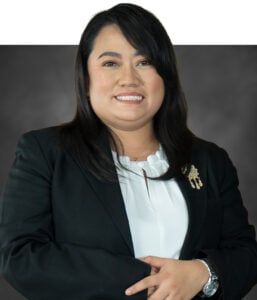
Edsel B. Monterola, PhD
Dean