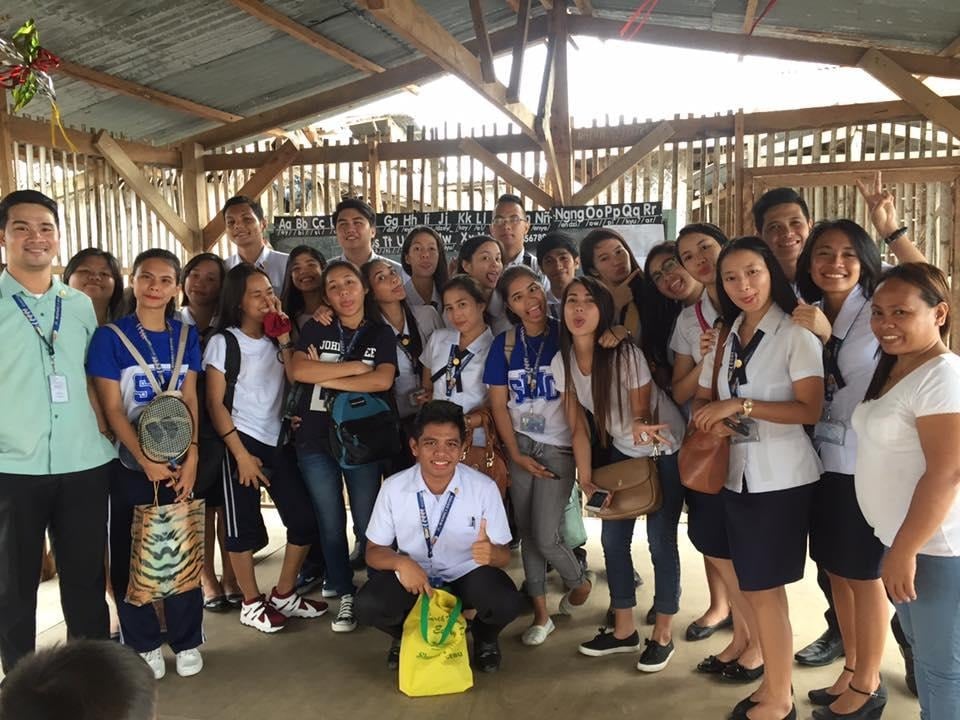
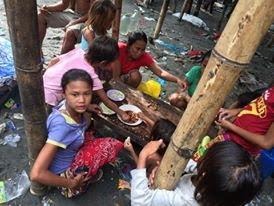
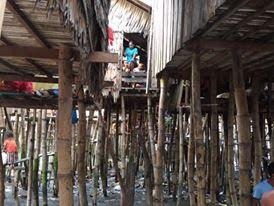
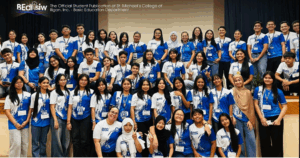
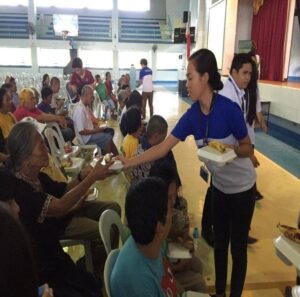
On March 1, 2017, students of the Business Ethics Class of St. Michael’s College of Iligan, Inc. (SMCII) participated in a Social Exposure and Community Needs Assessment at the Bajau Settlement in Barangay Tambacan, Iligan City, as part of Academic Year 2016–2017. The activity was conducted in partnership with Friends of Bajau Inc., under the guidance of Prof. Elisa Santander and Mr. Korsiney N. Cabasis, Director of the Mother Ignacia Center for Social Responsibility (MICSR).
The activity focused on social scanning and community immersion, allowing students to observe firsthand the living conditions, daily challenges, and strengths of the Bajau community. Through respectful engagement and on-site observation, students gained deeper insight into issues related to housing, sanitation, access to education, livelihood, and health—realities that cannot be fully understood inside the classroom alone.
This exposure activity served as a concrete application of Business Ethics principles, emphasizing that ethical decision-making and social responsibility must be grounded in empathy, cultural understanding, and genuine concern for marginalized communities. The experience challenged students to reflect on how businesses, institutions, and individuals can contribute to inclusive development and social justice.
Beyond academic learning, the activity nurtured humility, compassion, and social awareness among the participants. It reinforced the idea that ethical leadership begins with listening, observing, and understanding the lived experiences of others—especially those often left at the margins of society.
This initiative reflects SMCII’s core values of faith, excellence, and service, demonstrating the institution’s commitment to forming socially responsible graduates who are sensitive to community realities and committed to positive social transformation.
Through this Business Ethics Social Exposure, St. Michael’s College affirmed that ethical education must go beyond theory, cultivating graduates who see communities not as case studies, but as partners in shared human dignity and development.